

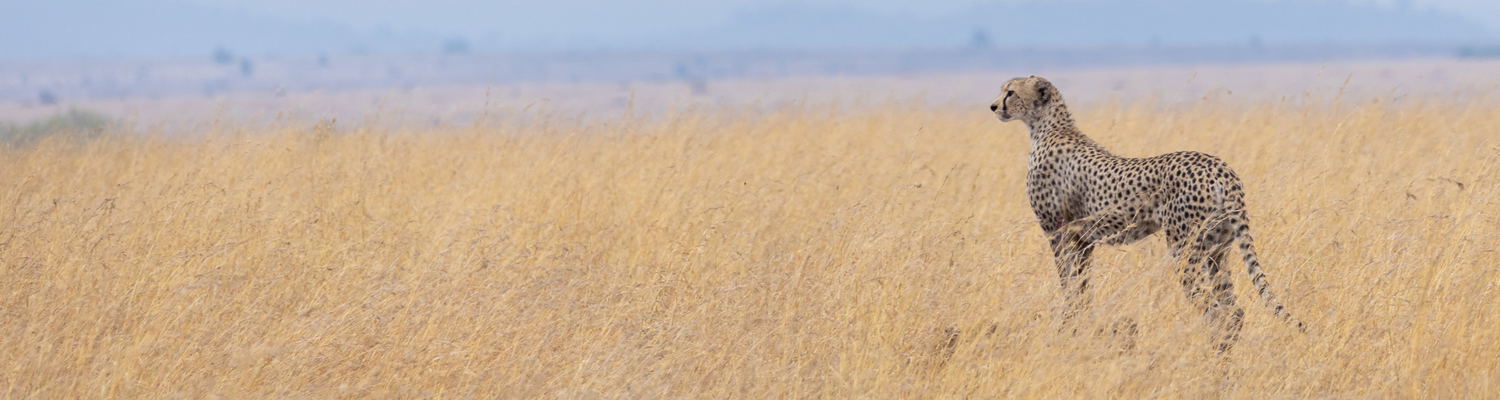
TANZANIA: 15 Days Birding and Wildlife Photographic Tour
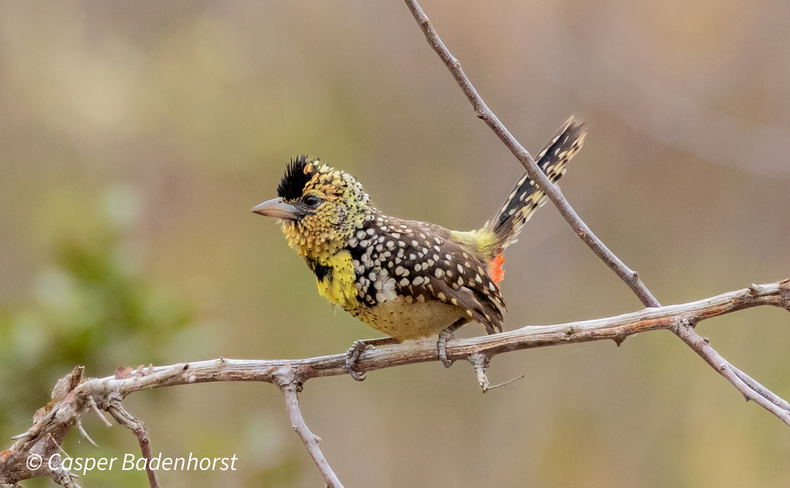
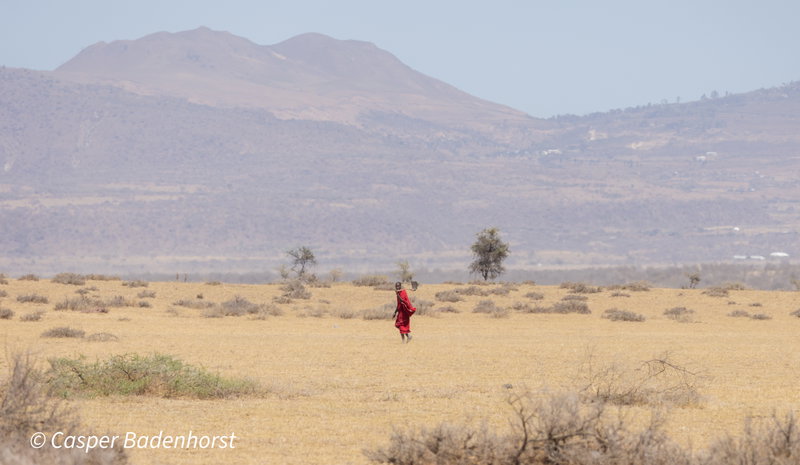
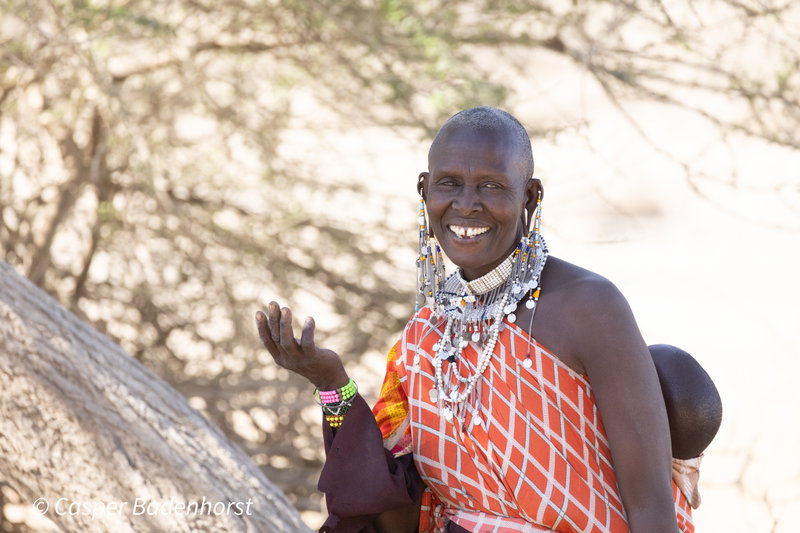
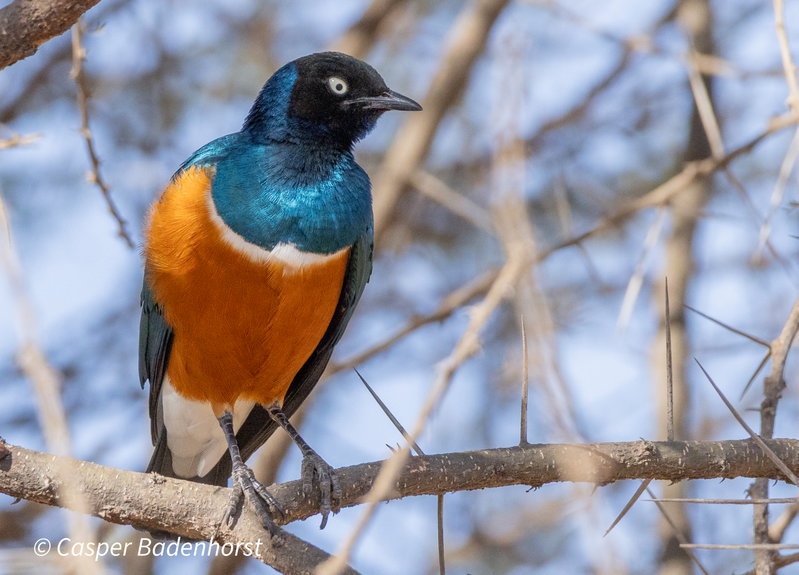
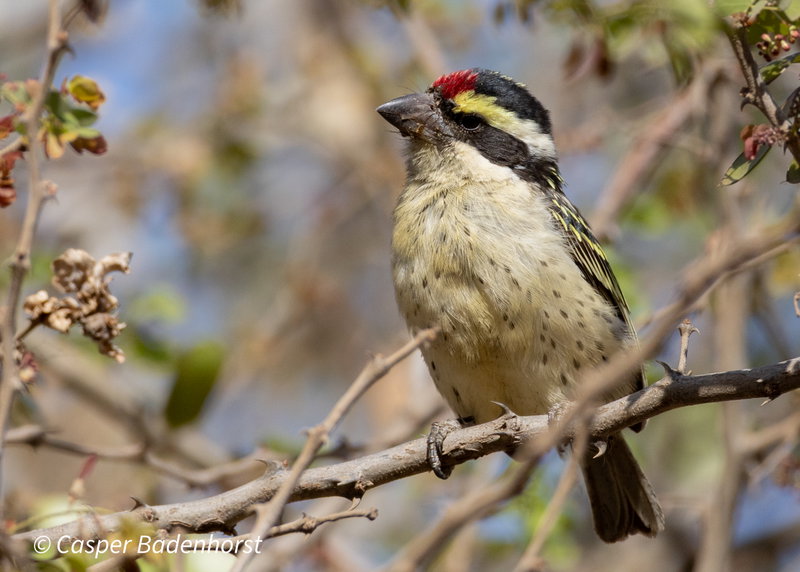
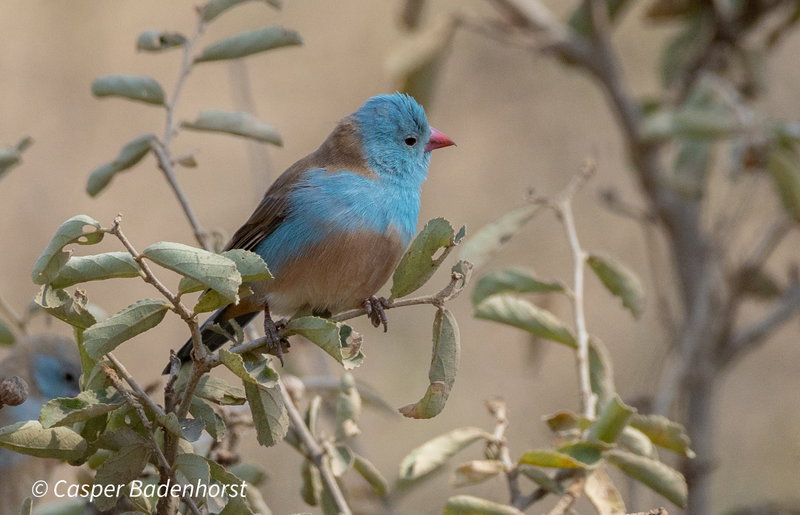
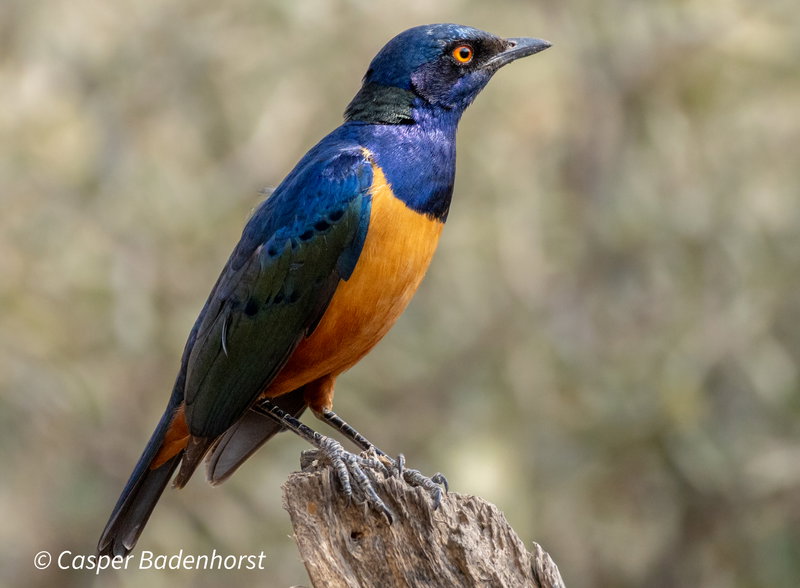
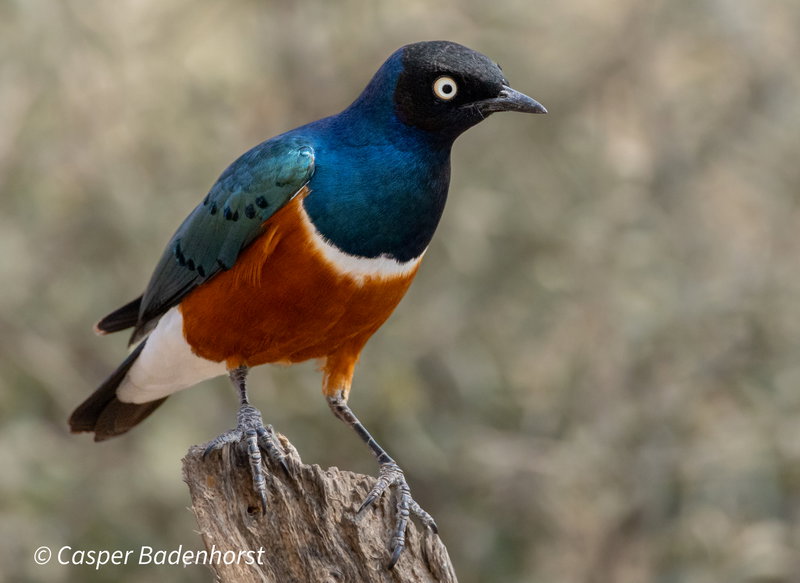
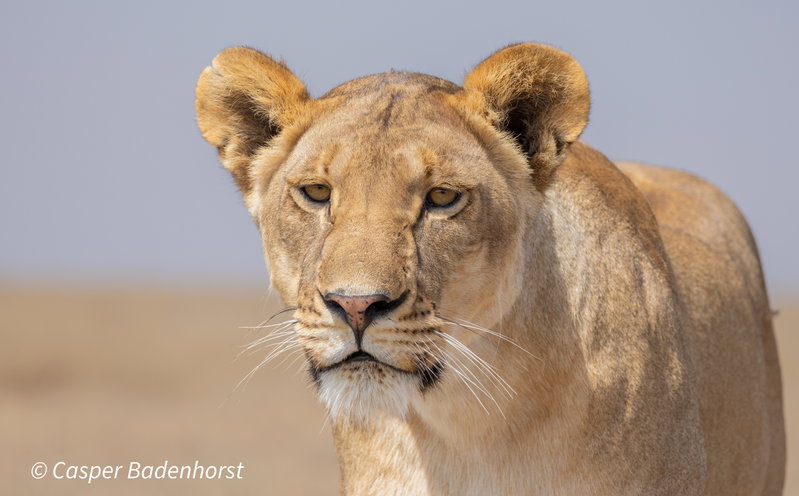
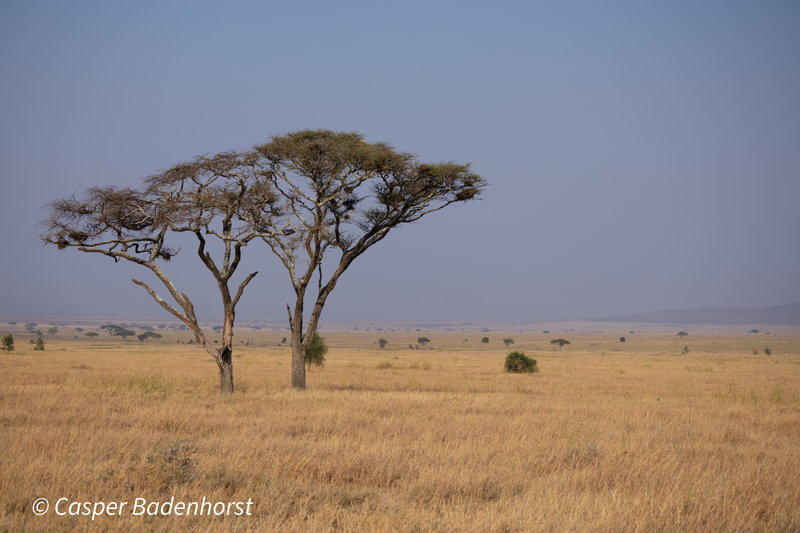
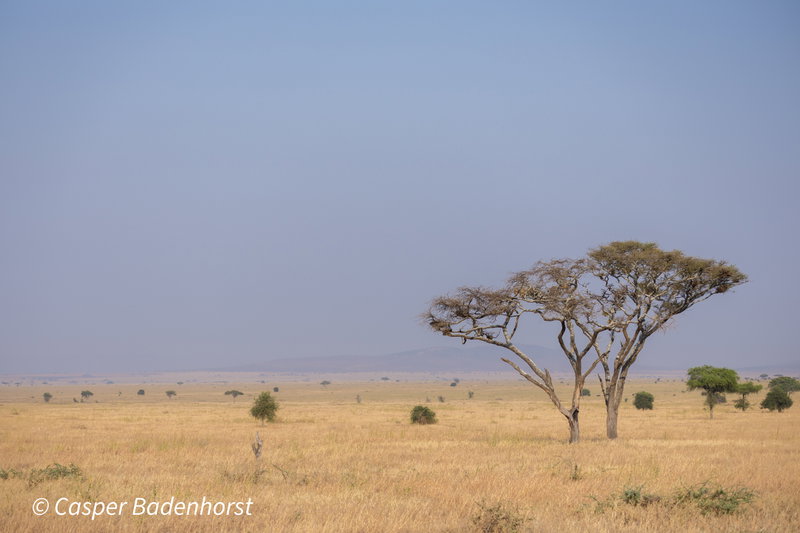
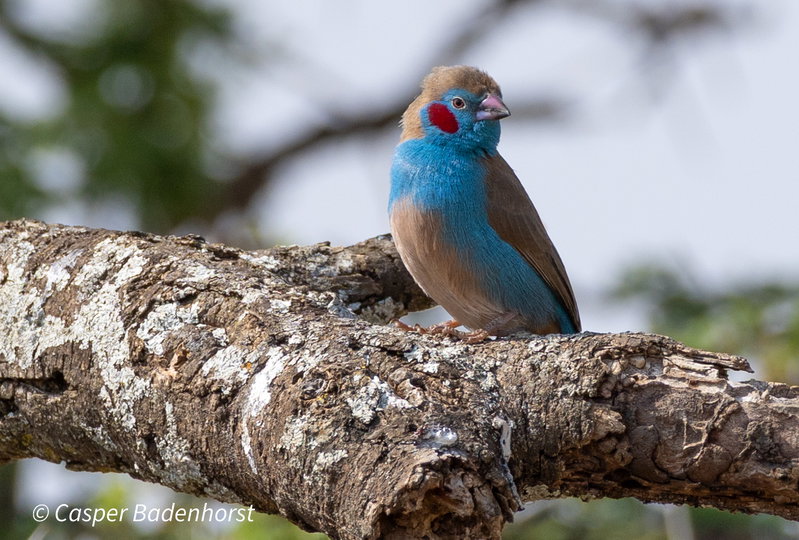
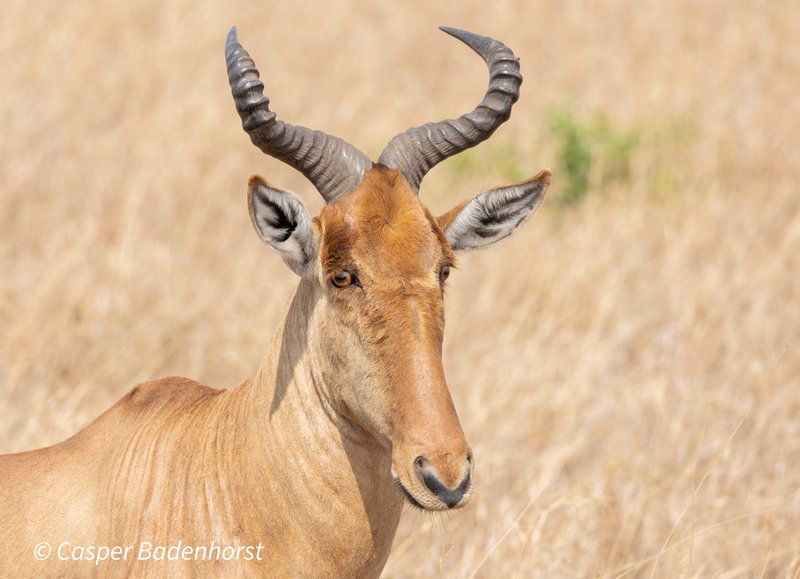
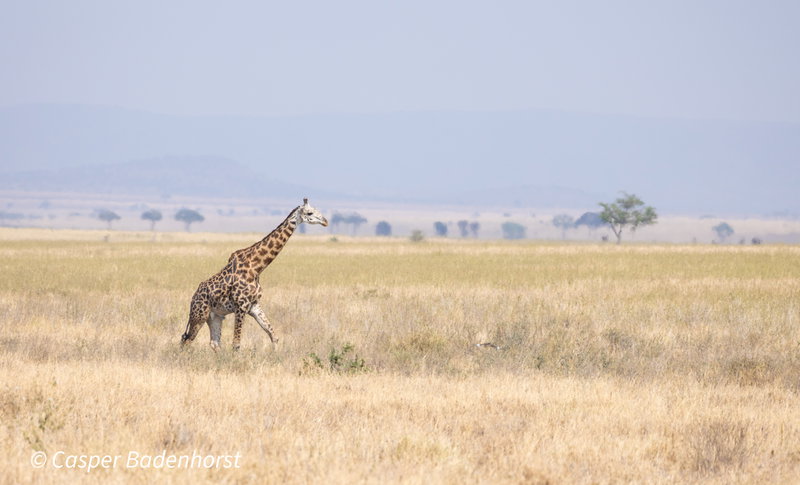
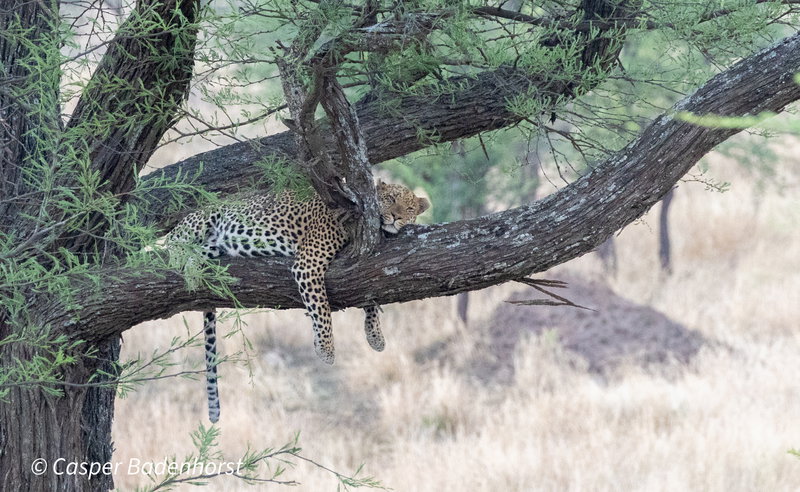
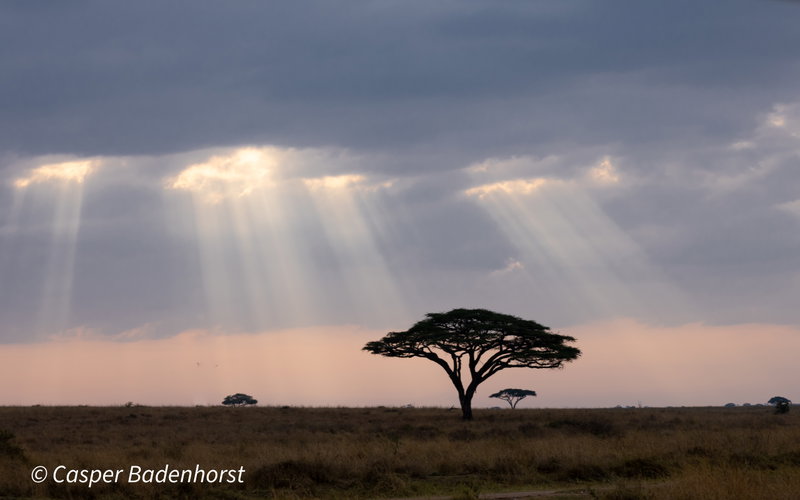
With around 1150 bird species and 24 endemics occurring in the most famous nature parks in Africa, Tanzania is the ultimate destination for bird watchers and bird and wildlife photographers. We will visit the following parks Arusha, Tarangire, Lake Manyara, Ngorongoro, Serengeti and Mkomanzi National Parks as well as the Lark plains. Endless flocks of flamingoes, brilliantly coloured starlings and barbets and endless plains of wildlife lends itself to unforgettable photographic opportunities.
Gallery
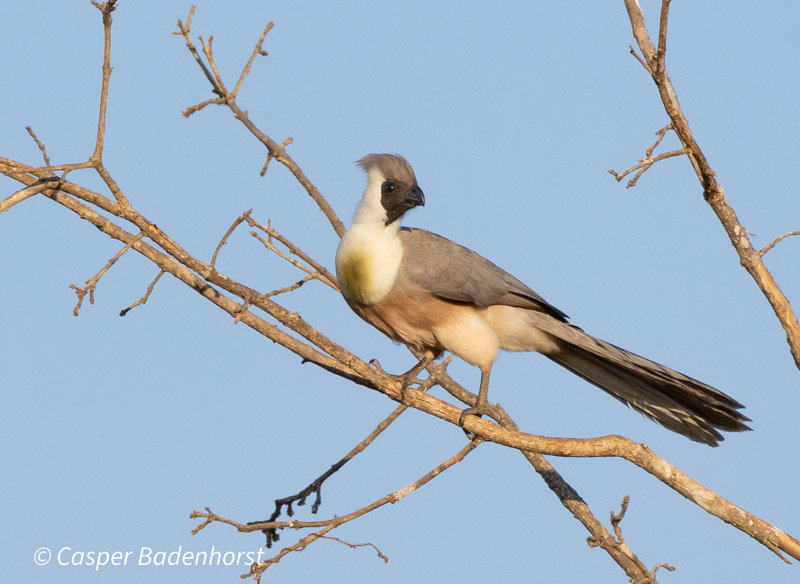
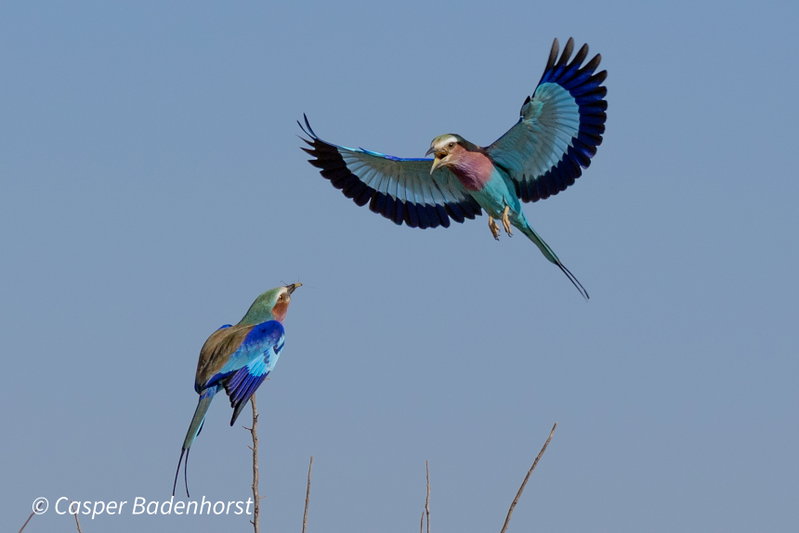
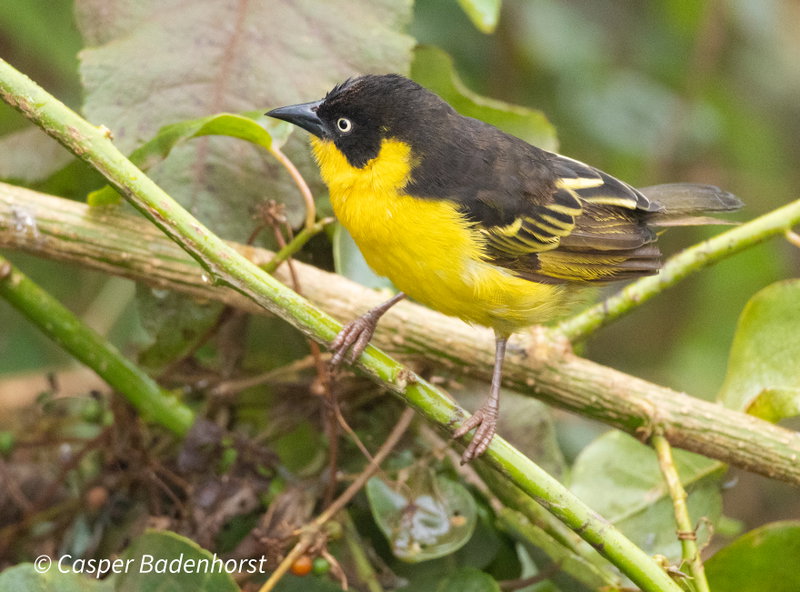
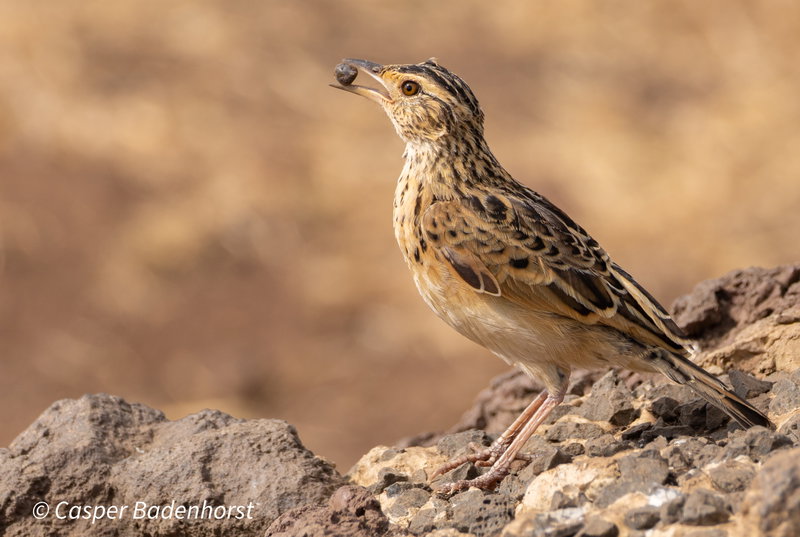
Itinerary
Day 1: Arrival, Kilimanjaro International Airport
You will arrive on your flight at Kilimanjaro International Airport where a staff member will meet you in the arrivals hall for your transfer to your accommodation in Arusha.
Accommodation: Arusha Planet Airport Lodge
Day 2: Arusha National Park
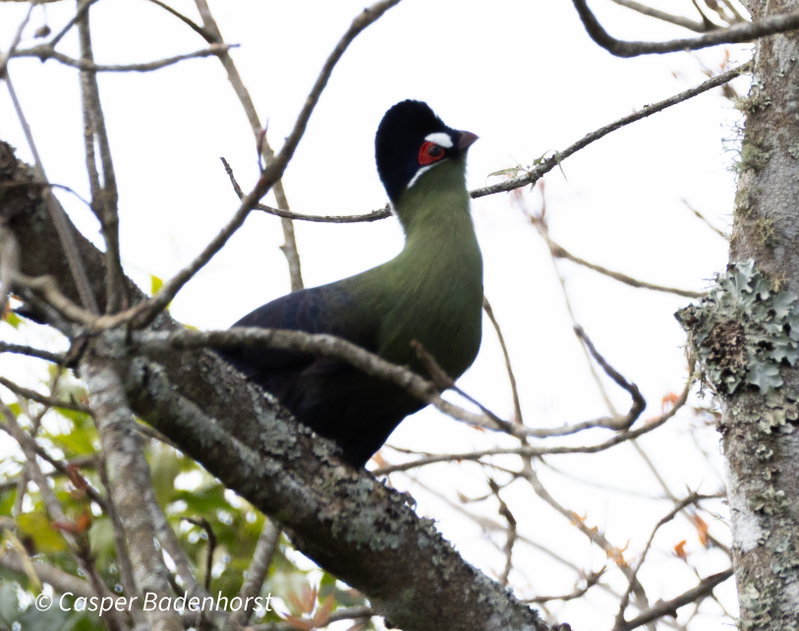
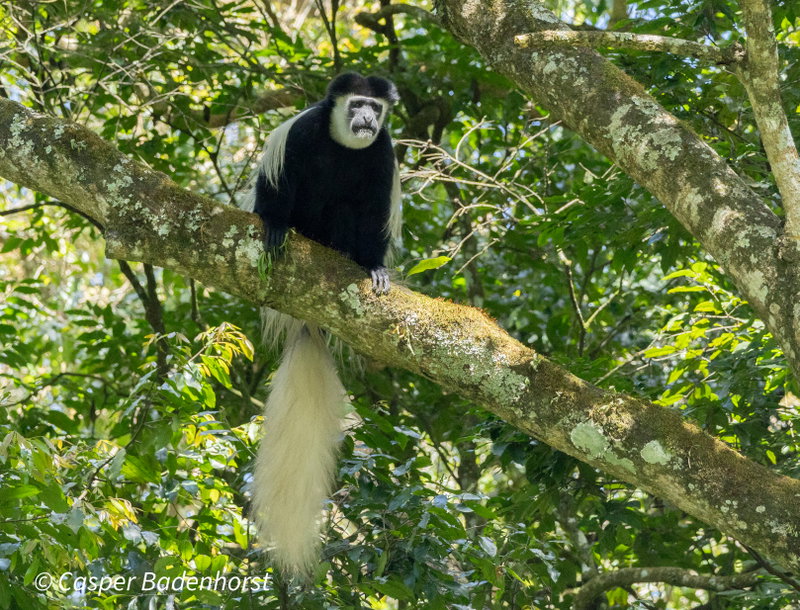
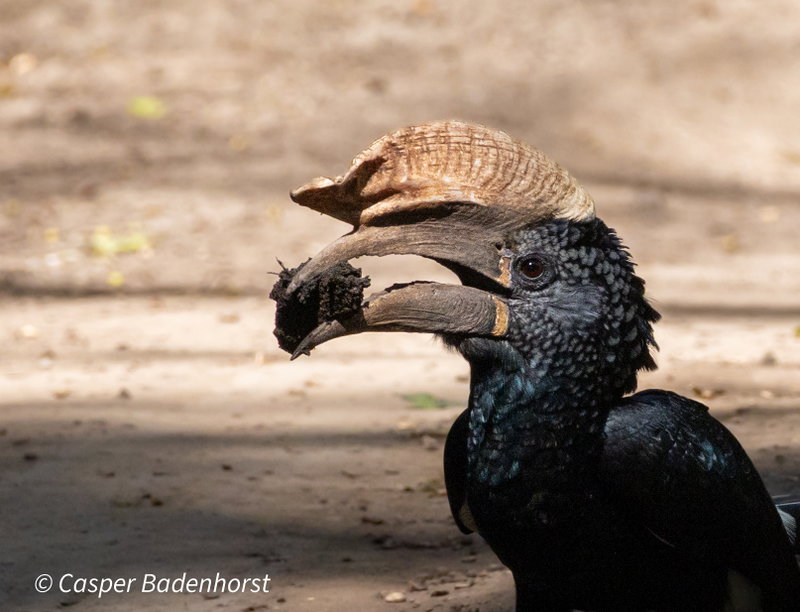
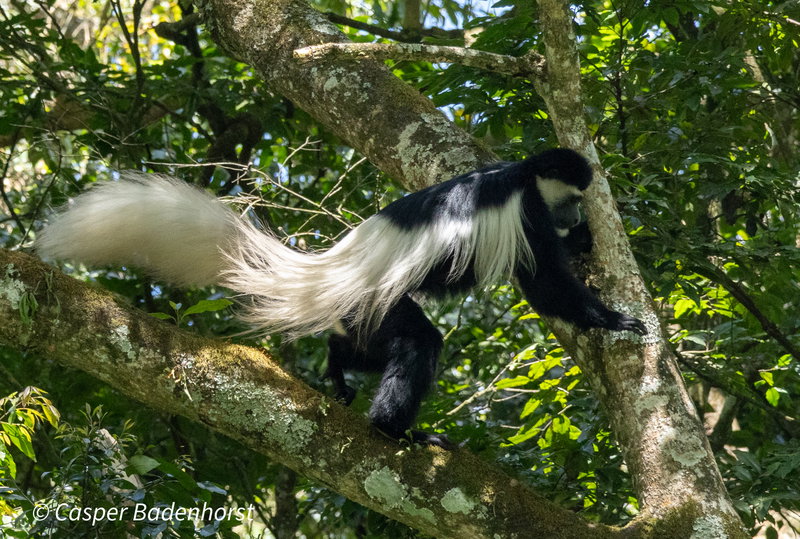
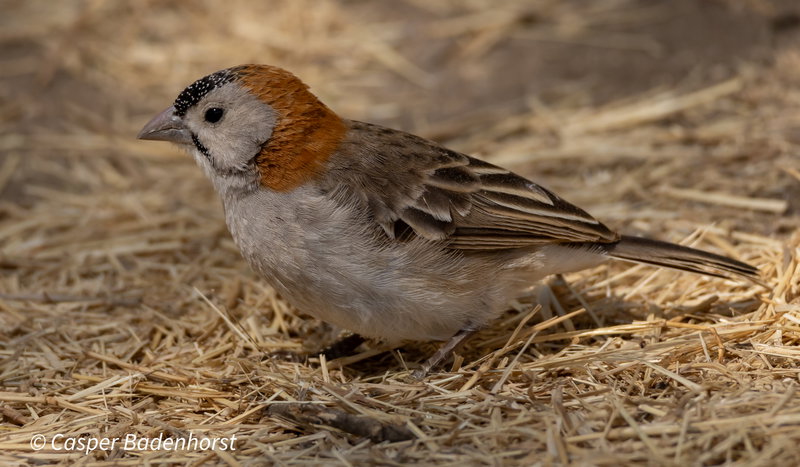
It is a 45 min drive to Arusha National Park. This park has a great highland forest nestled around Mt. Meru where Black-and-white Colobus Monkeys and Ochre Bush Squirrels roam gracefully. Many highland bird species can be expected here including the Silvery-cheeked Hornbill, Scaly Francolin, Grey-olive Greenbul, Stripe-cheeked Greenbul, Crowned Eagle, Mountain Buzzard, African Wood-Owl, Black-throated Wattle-eye, Montane White-eye, Lesser Jacana, Augur Buzzard, Speke's Weaver, Peter’s Twinspot, White-eared Barbet, Pallid Honeyguide, African Emerald Cuckoo, Cinnamon-chested Bee-eater, Ruppell’s Robin-Chat, Hildebrandt's Starling, Moustached Grass Warbler, Winding Cisticola, Speckle-fronted Weaver, Spur-winged Lapwing, Western Marsh Harrier, Hartlaub’s Turaco and many more.
Accommodation: Arusha Planet Airport Lodge, Arusha
Day 3: The Lark Plains
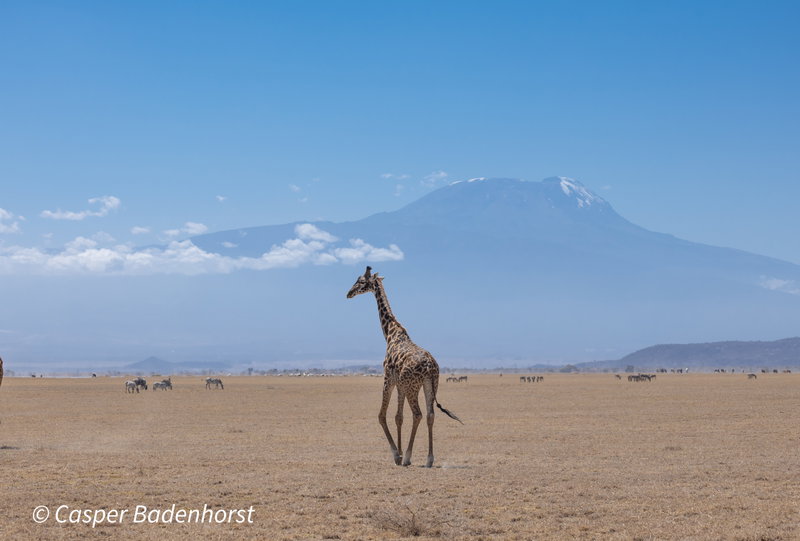
As it is a 2 hour drive we shall leave early for some dryland habitat north of Arusha where the rare Beesley’s Lark is found. We shall enjoy birding here the entire morning as we search for this species among an array of other birds, such as the Abyssinian Wheatear, Banded Parisoma, Tiny Cisticola, Greater Kestrel, Eastern Chanting Goshawk, Red-throated Tit, Short-tailed Lark, Foxy Lark, Athi Short toed Lark and White-headed Mousebird.
Accommodation: Arusha Planet Airport Lodge, Arusha
Day 4 & 5: 12 ad 13 August 2026 - Tarangire National Park
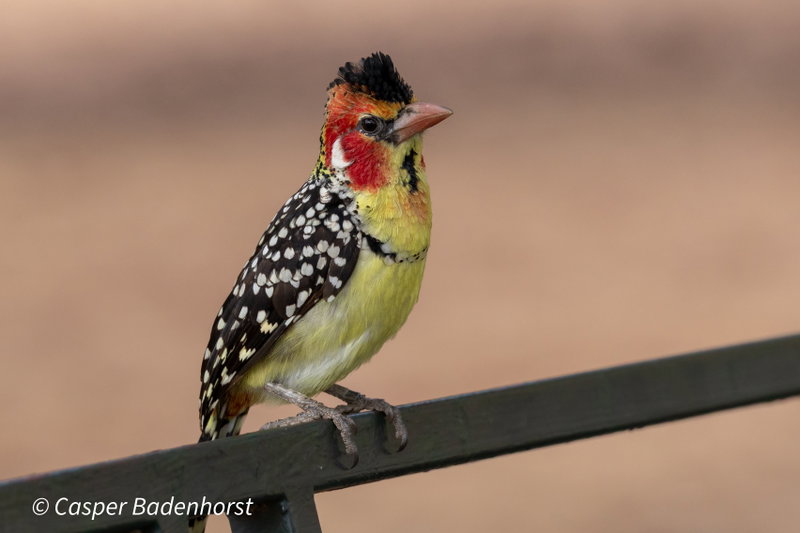
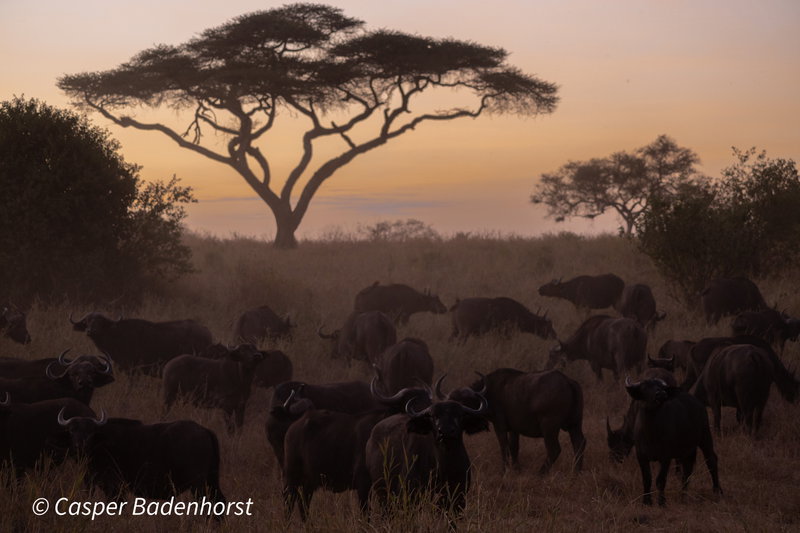
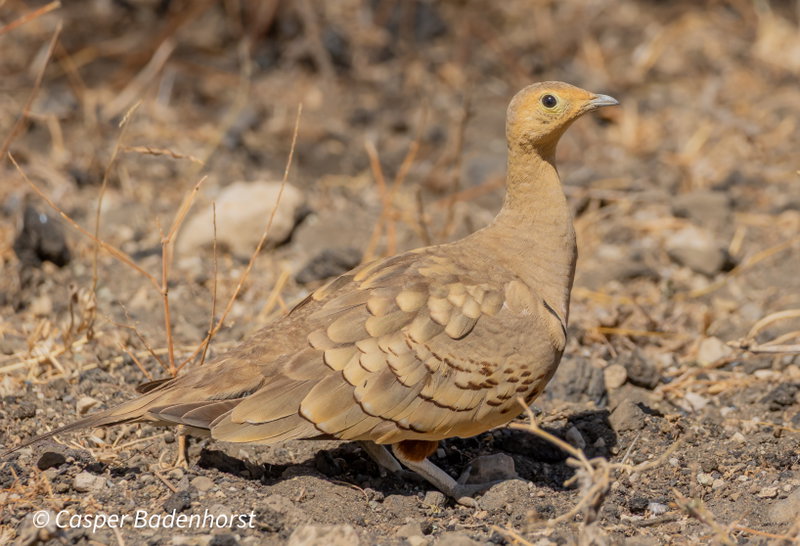
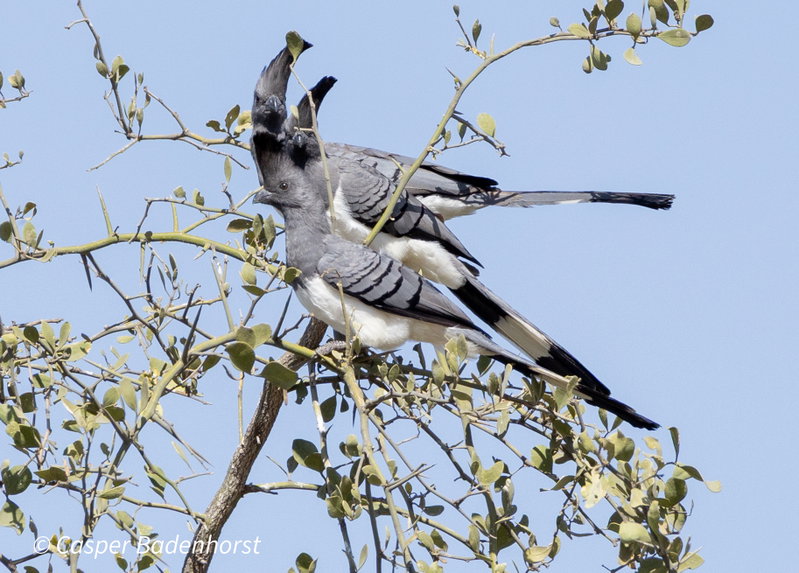
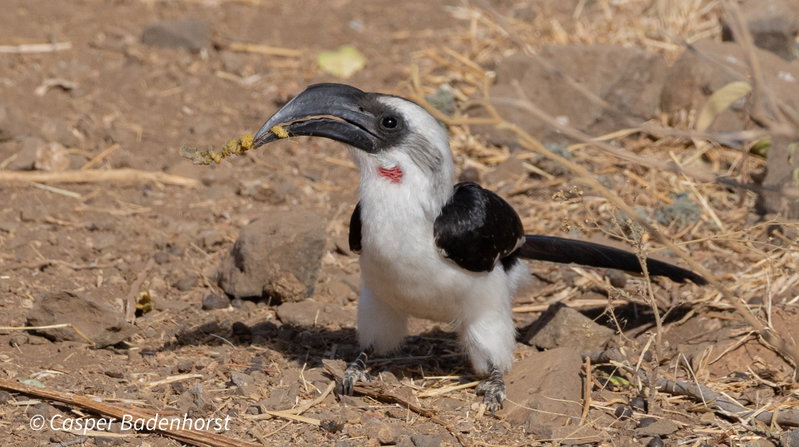
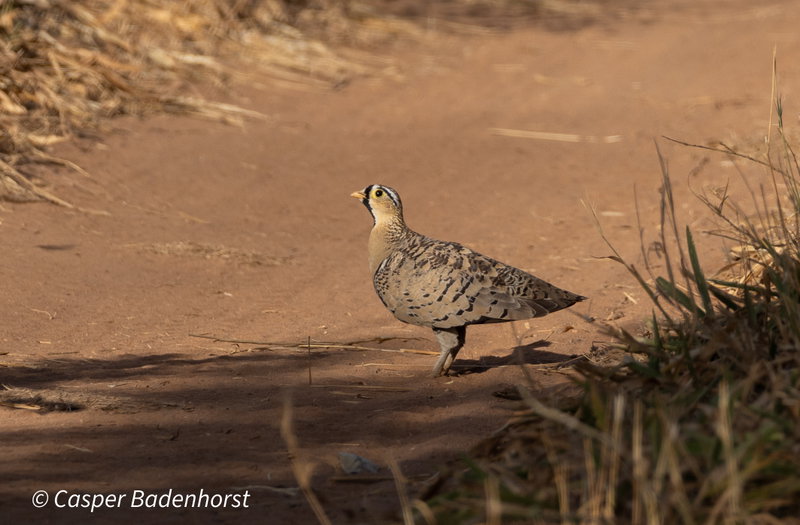
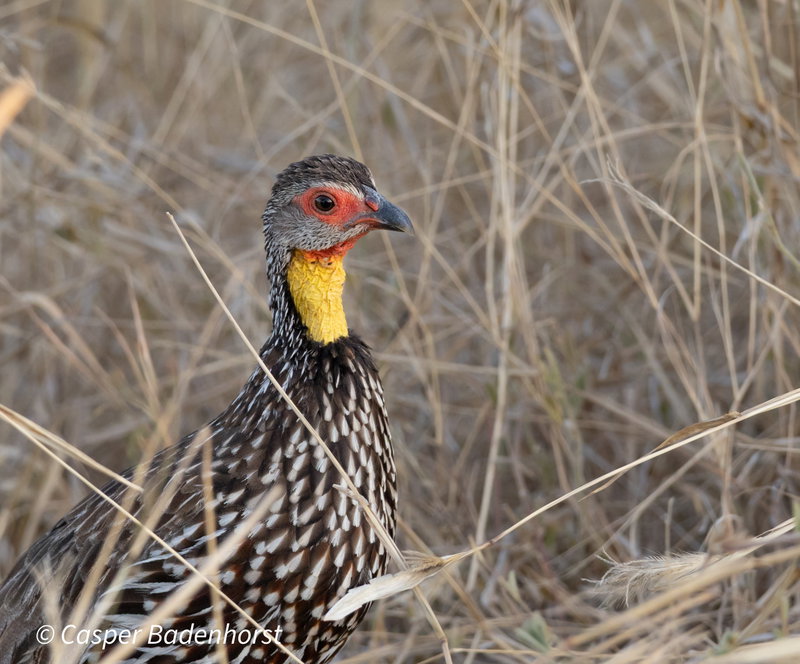
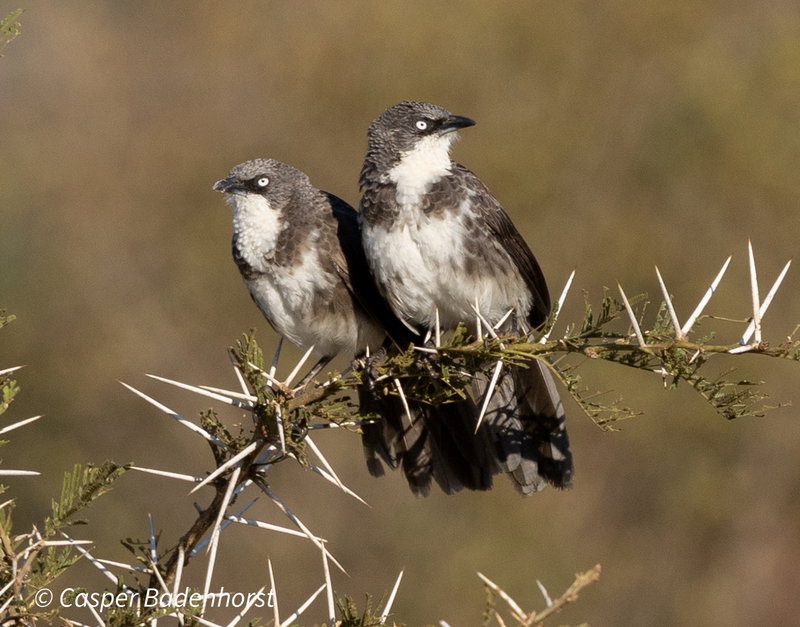
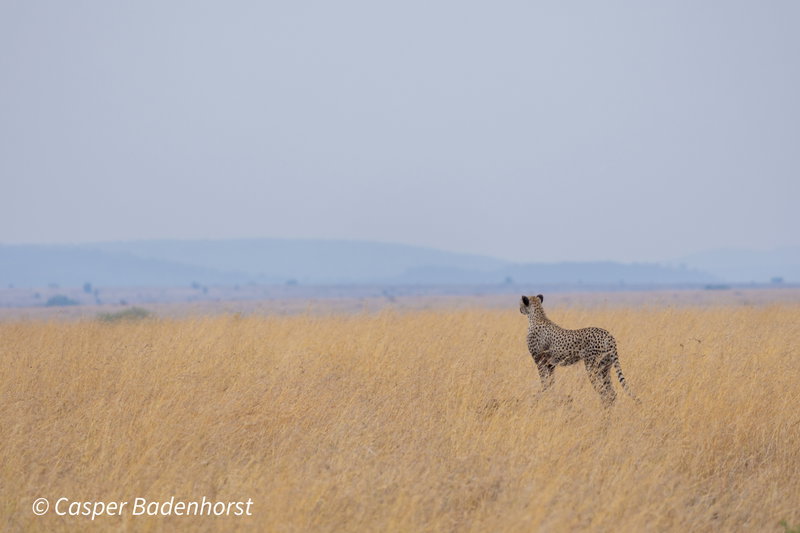
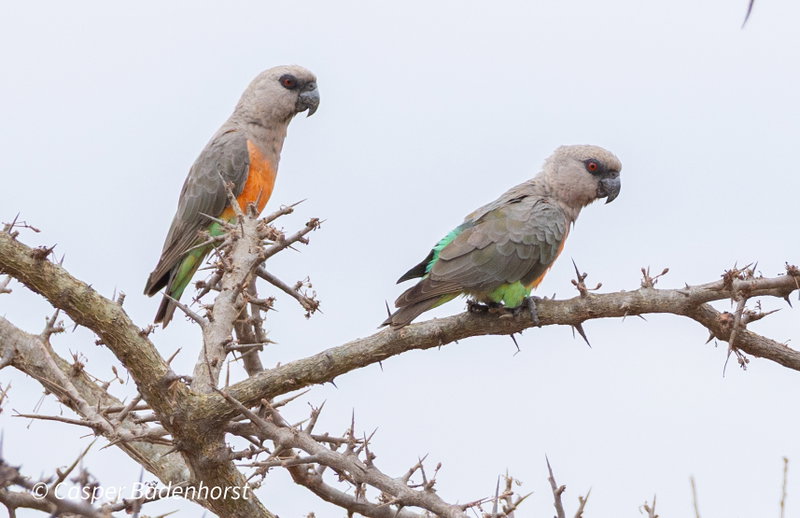
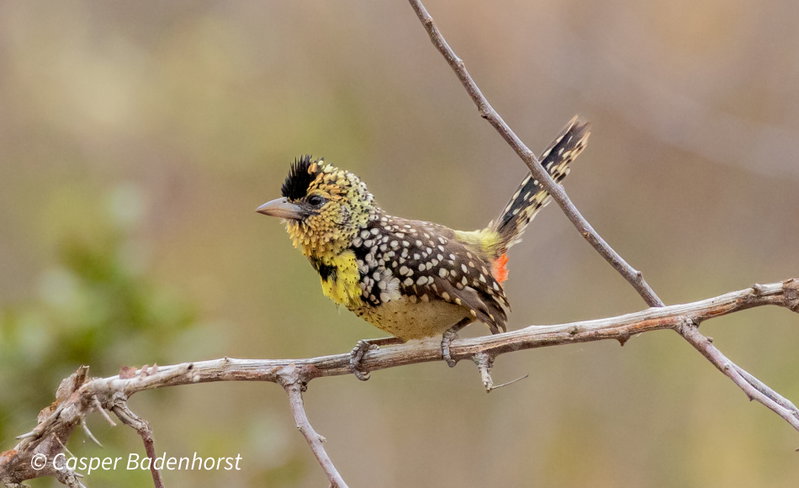
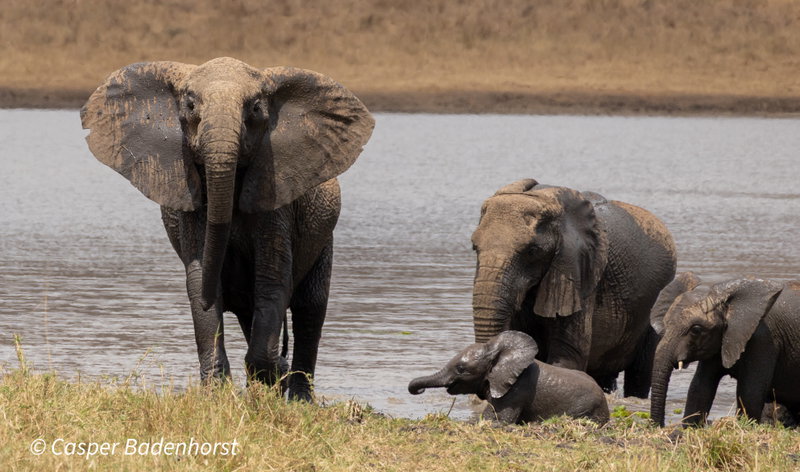
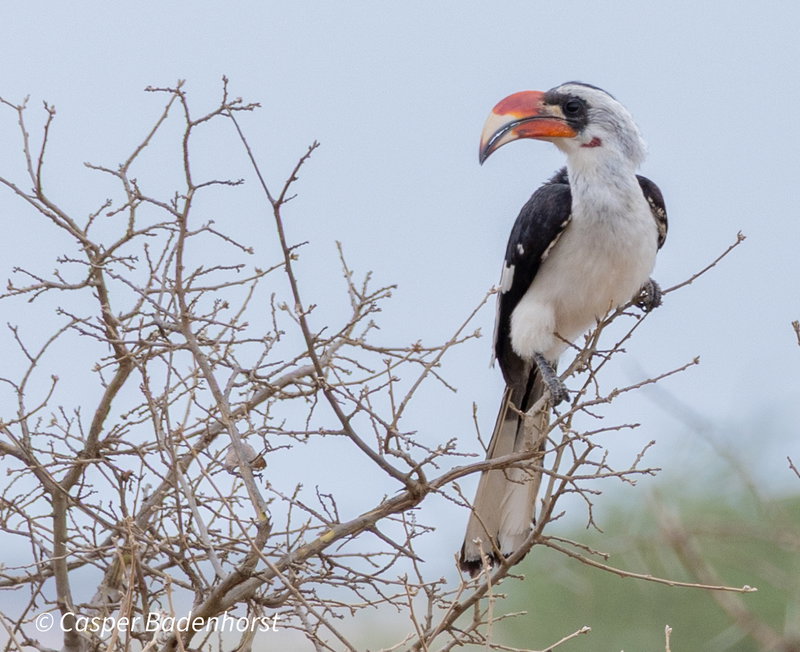
It is a 3 hour drive to Tarangire where some great birds will be awaiting us. This park is known for its many Elephants and Baobab trees. We shall enjoy the afternoon and all day the following day in the park. Big game will also be encountered as we bird. The local Acacia woodland is very attractive and full of birds. Highlight birds include Yellow-collared Lovebird, Von der Decken’s Hornbill, White-headed Buffalo-Weaver, Coqui Francolin, Pygmy Falcon, Slate-coloured Boubou, Yellow-necked Spurfowl, Vulturine Guineafowl, Red-bellied Parrot, Mottled Spinetail, Bare-faced Go-away Bird, Meyer’s Parrot, Northern White-crowned Shrike, Banded Parisoma, Miombo Wren-warbler, Red-and-yellow Barbet, Rufous-tailed Weaver, Long-tailed Fiscal, Northern Pied Babbler, Swahili Sparrow, Chestnut-bellied Sandgrouse, Ashy Starling and more. Mammals expected here include the African Elephant, Banded Mongoose, Cape Buffalo and Cheetah.
Accommodation: Tarangire Sopa Lodge
Day 6 to 8: Lake Manyara National Park & Ngorogoro Crater Nature Reserve
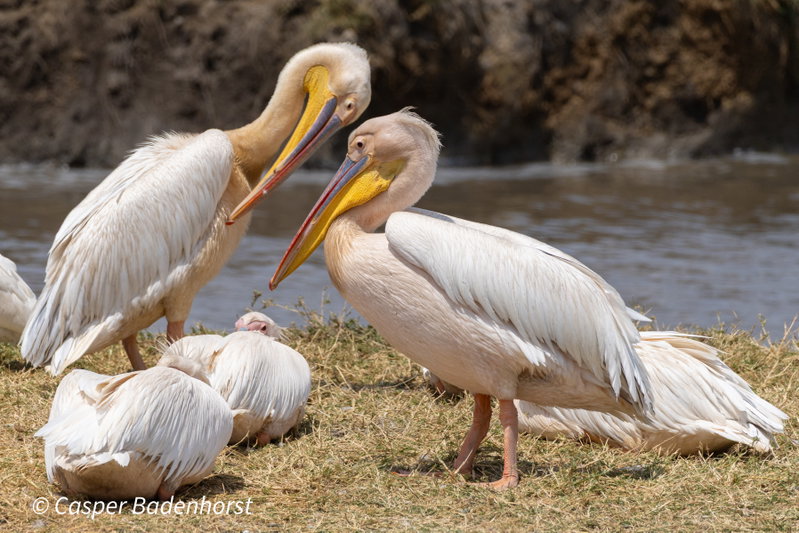
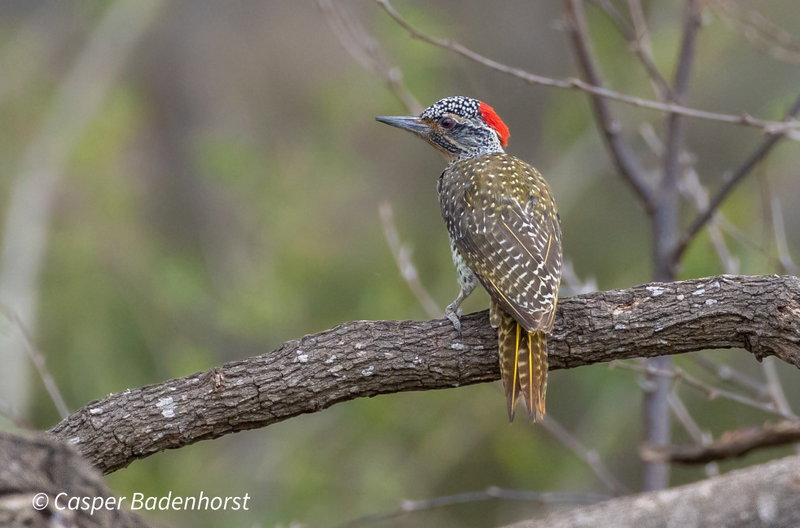
It is a 45 min drive to Lake Manyara National Park. Except for the large flocks of Lesser and Greater Flamingoes the park also hosts Silvery-cheeked Hornbill, Narina Trogon, Black-necked Weaver, Red-faced Crombec, Variable Sunbird, Nubian Woodpecker, Northern Wheatear, Eastern Crested Guineafowl, Superb Starling, Baglafecht Weaver, Vitelline Masked Weaver, Fischer’s Lovebird and Blue-naped Mousebird. The first two days in the park we will do birding and game drives. On our third day here we will visit Ngorogor Crater Nature Reserve.
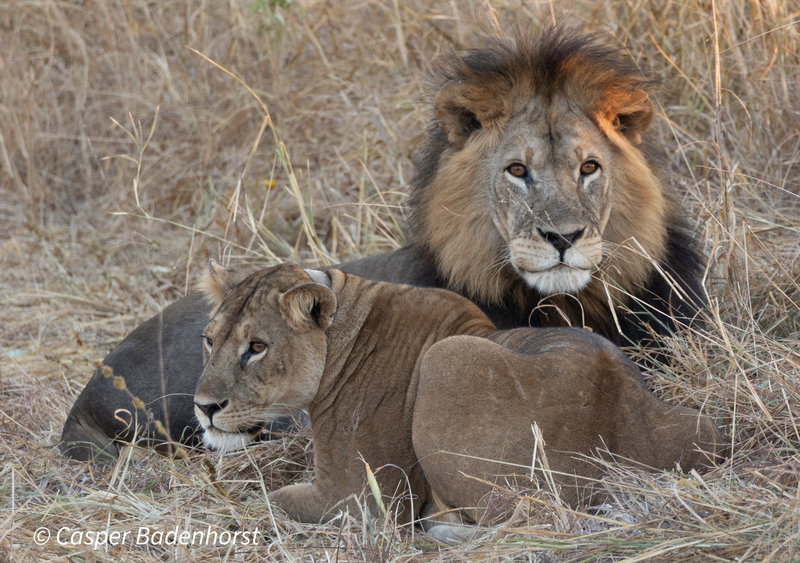
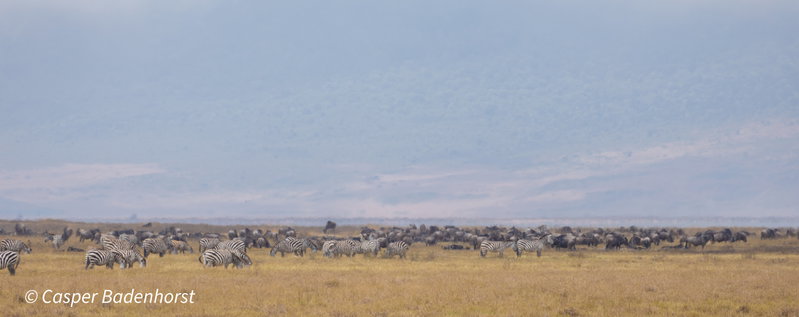
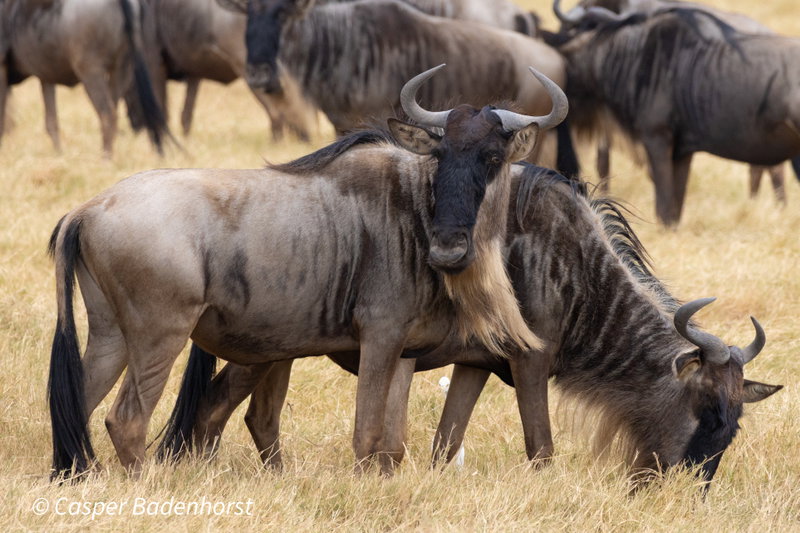
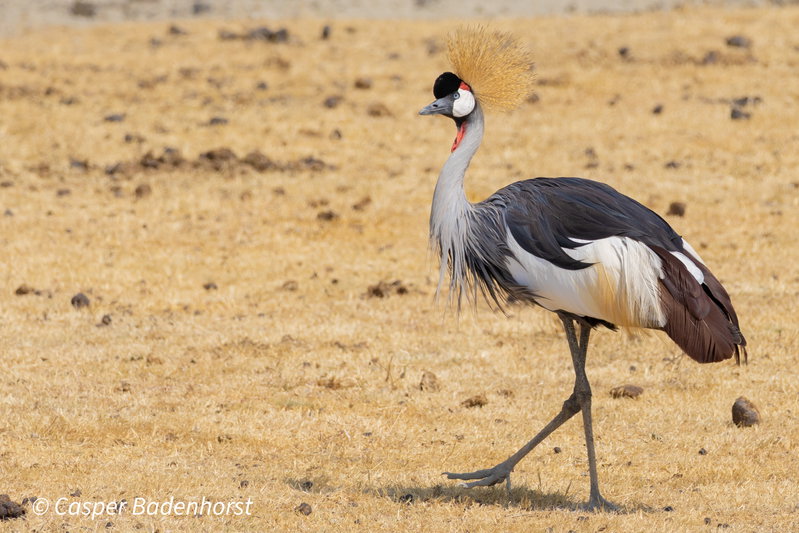
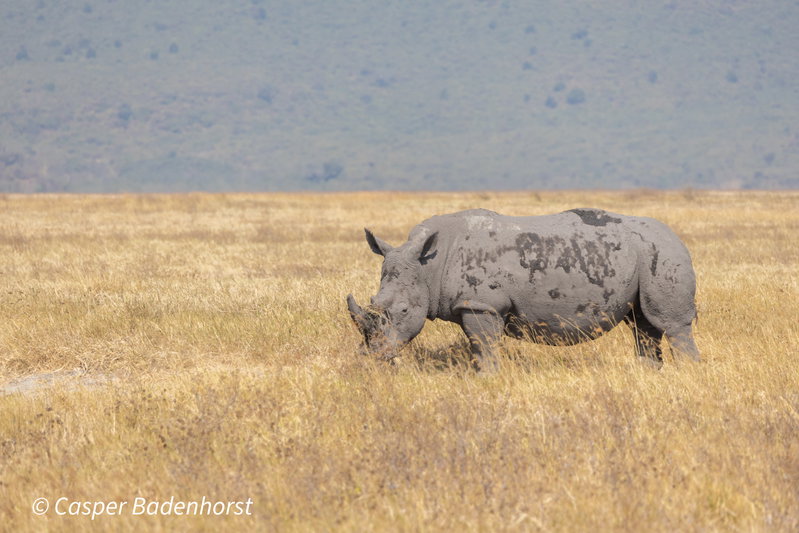
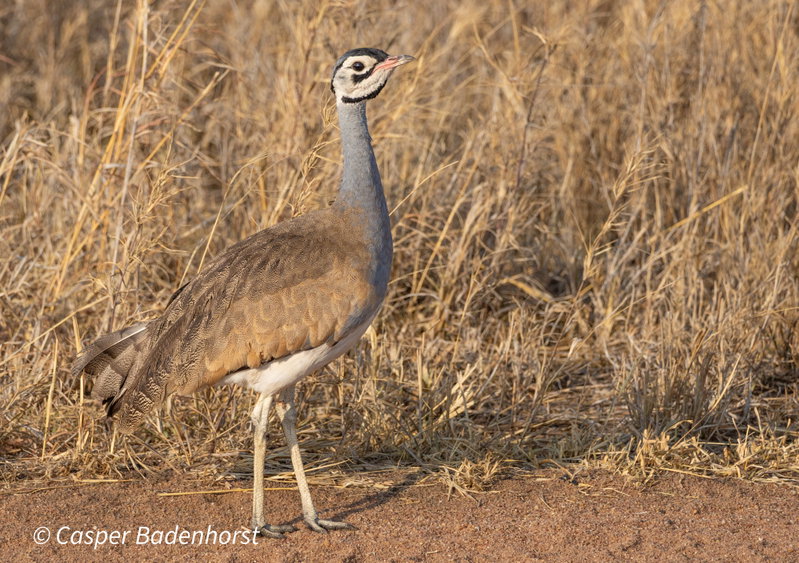
It is a 45 min drive to the Ngorongoro Crater Nature Reserve. This is a large and scenic crater located at about 2000m above sea level. This crater is about 600m deep and has an amazing view both from the top and inside the crater. The crater is nestled in a pristine natural forest of indigenous trees. The crater is known as one of the wonders of Africa. Descending down to the crater floor takes you through great scenery and the local Euphorbia tree varieties. Herds of wild animals are plenty inside the crater as well as wonderful views of the crater walls. Lion, Cheetah, Savannah Elephants, Black Rhinos, Zebras and Wildebeests occur in the park. Birds include Hildebrandt’s Francolin, Shelley’s Francolin, Grey Crowned Crane, Pectoral-patch Cisticola, Lyne’s Cisticola, Yellow-throated Sandgrouse, Black-bellied Bustard, Kori Bustard, Secretarybird, Rosy-breasted Longclaw, Lesser Flamingo, Greater Flamingo, Chestnut-banded Plover and Rufous-tailed Weaver. We shall also bird the crater rim forest. Expected species include Hunter’s Cisticola, Golden winged Sunbird, Eastern Double-collared Sunbird, Black-fronted Bush-Shrike, Cinnamon Bracken Warbler, Brown Woodland Warbler, Southern Citril, Thick-billed Seedeater, Brown Parisoma, Brown-backed Woodpecker, Waller’s Starling, White-headed Barbet, Schalow’s Turaco and more.
Accommodation: Marela Valley Lodge
Day 9 -11: Serengeti National Park
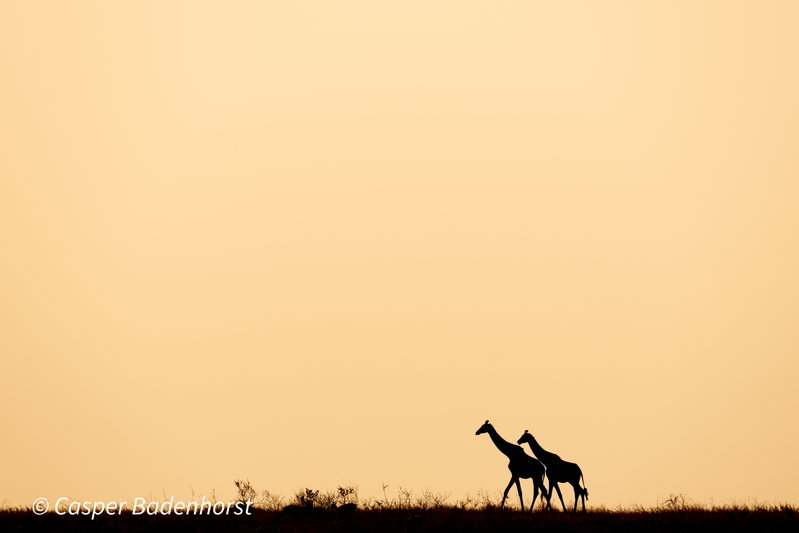
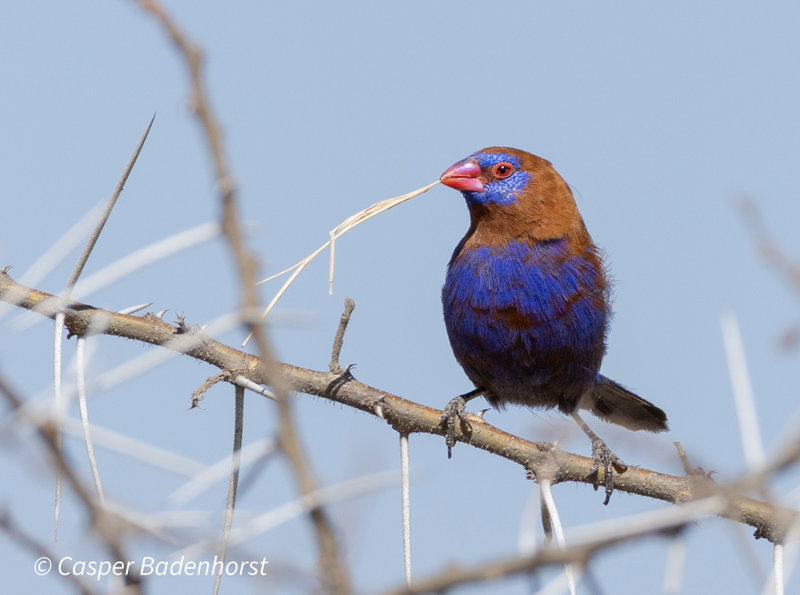
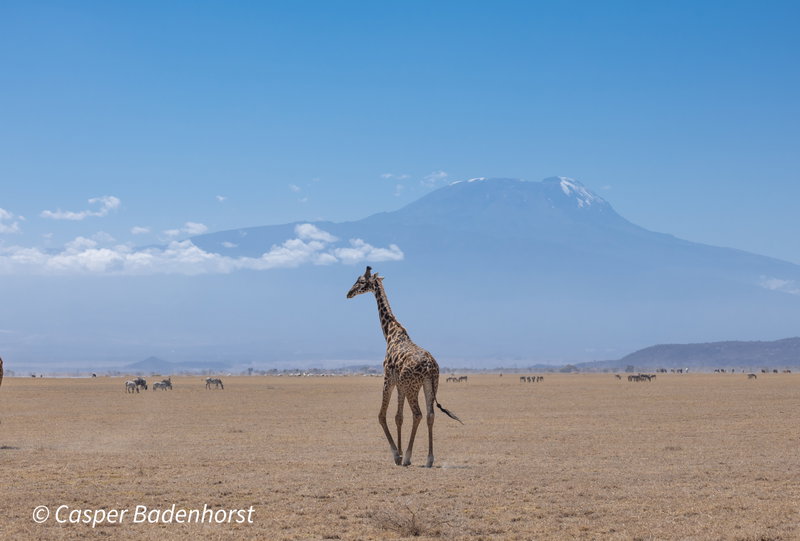
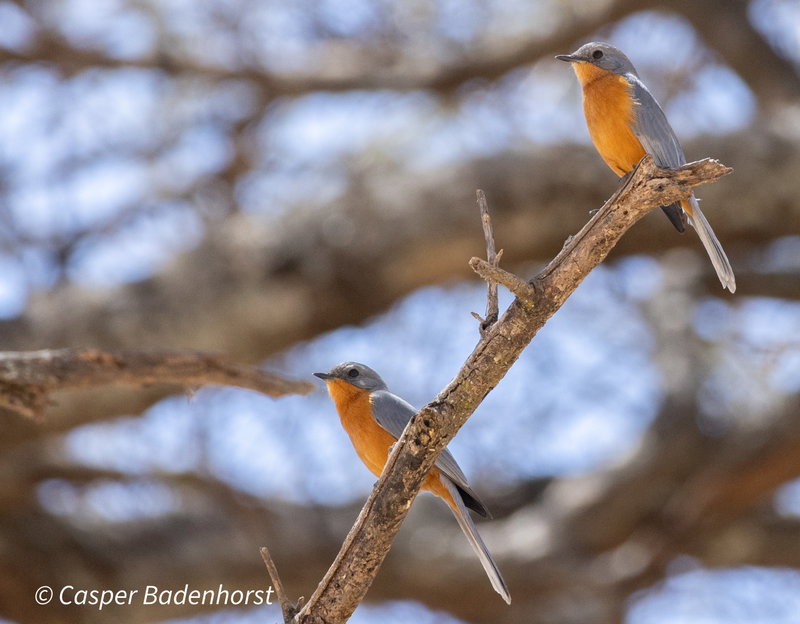
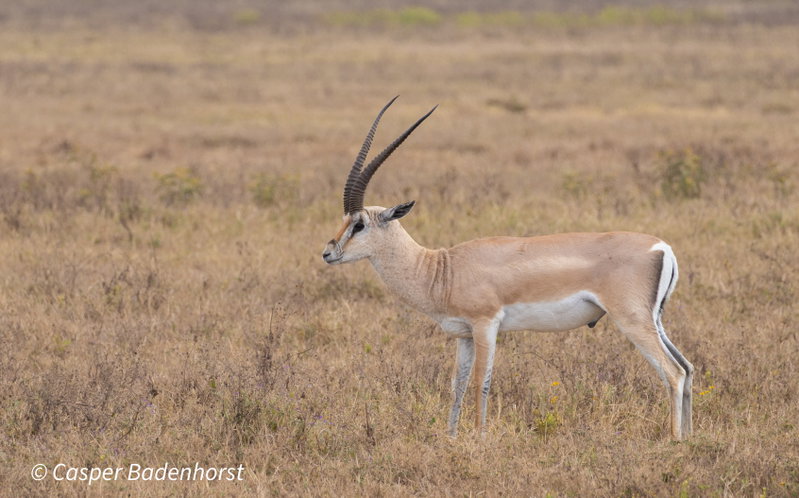
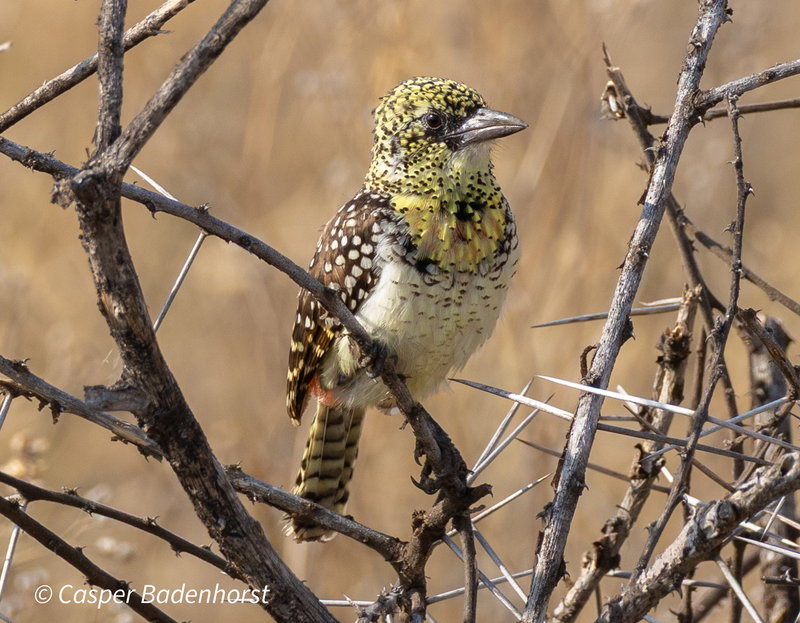
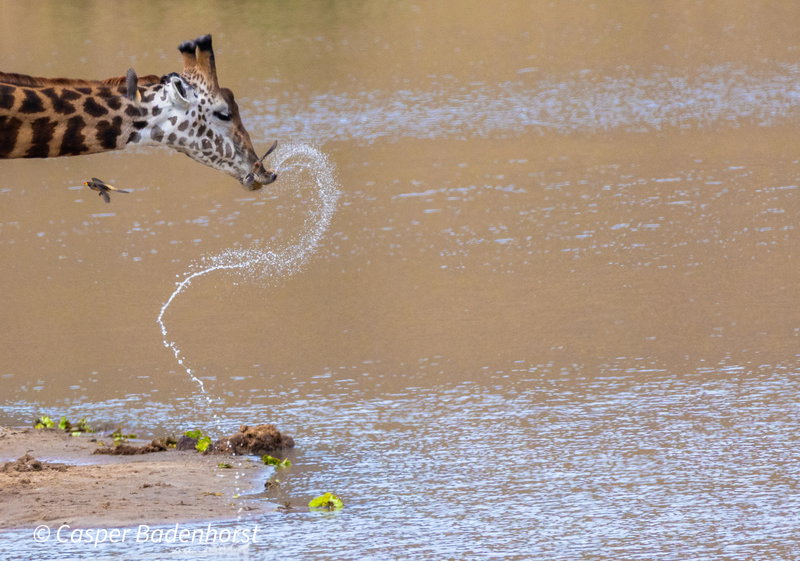
Today we have a 5 hour drive total of which 45 min will be to the park gate followed by 4 hours through Ngorogoro Park before reaching the Serengeti. We will spend three days in the park enjoying game drives as we transect this vast savannah, local wetlands and scrublands to boost our species lists. Highlight birds include Fischer’s Lovebird, Black Coucal, Steel-blue Whydah, Usambiro Barbet, Swahili Sparrow, Rufous Chatterer, Karamoja Apalis, Black-necked Weaver, Temminck’s Courser, Northern Red-billed Hornbill, Caspian Plover, White tailed Lark, Tanzania Red-billed Hornbill, Bare-faced Go-away-bird, Grey-crested Helmet-shrike, Silverbird, Black-lored Babbler, Augur Buzzard, Red-cheeked Cordon-bleu, Rüppell's Vulture, White-bellied Canary, Usambiro Barbet, Purple Grenadier, Maasai Apalis, Grey-breasted Spurfowl and many more. Mammals we can expect here include the Savannah Elephant, Serval, Maasai Giraffe, African Lion, Leopard, assorted antelopes, Common Zebra and Cheetah.
Accommodation: Hippo Trails Camp
Day 12: Serengeti and transfer to Arusha
Today we will do a game drive in the park with more birding followed by a 4 hours’ drive back to Arusha.
Accommodation: Arusha Planet Airport Lodge
Day 13-14: Mkomanzi National Park
We start the day with a 3,5 hours’ drive to the park. We may find more interesting species on the way and we’ll make several stopovers and detours to enjoy birding. On arrival at Same, we shall bird the area, where many dryland and open habitat species will be awaiting us; then relax at our hotel for the night. The following day, we shall enjoy birding in the Mkomazi National Park. This amazing park is home to Black Rhinos, African Wild Dog, Common Zebra, Maasai Giraffe, Savannah Elephant, Cape Eland and Common Impala. Expected species include Black-faced Waxbill, Red-bellied Parrot, Pringle’s Puffback, Purple Roller, Golden-breasted Starling, White-headed Mousebird, Eastern Violet-backed Sunbird, Black-bellied Sunbird, Tsavo Sunbird, Red-and-yellow Barbet, Black-throated Barbet, Pink-breasted Lark, Northern Brownbul, Dodson’s Bulbul, Red-fronted Warbler, Grey Wren-Warbler, Somali Crombec, Tiny Cisticola, Scaly Chatterer, Bare-eyed Thrush, Pygmy Batis, Mosque Swallow, Yellow-spotted Petronia, Taveta Weaver, Southern Grosbeak-Canary, White-bellied Canary, Somali Bunting, Mouse-colored Penduline-Tit and Northern Grey Tit.
Accommodation: Mkomanzi View Camp
Day 15: Mkomanzi and transfer to Kilimanjaro International Airport
After breakfast we will have time for more birding before an afternoon 3,5-hour drive to the airport arriving in time for your evening flights.
Rates
2027 Prices:
Based on 2 persons: 10,750 USD per person sharing
Based on 4 persons: 7,950 USD per person sharing
Cost includes:
4WD Safari Vehicle and fuel costs, English-speaking driver/guide, Accommodation and meals from arrival to departure dates in the itinerary, National Parks entrance fees, AMREF Emergency Evacuation, Conservation Fees, Drinking water throughout, Rangers and Site Guides where required, Concession Fees
Cost Excludes:
Additional day or night at the start or end of the tour, Laundry fees, Alcoholic Drinks, Entry and exit visas, Airfares
Share This Page